
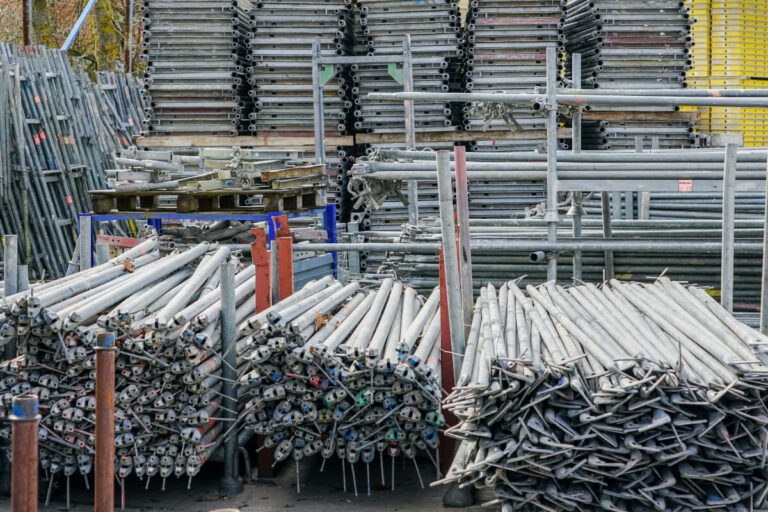
What happens to scaffolding after years of use? – renovation, recycling, and profit for your company
Steel facade and modular scaffolding is one of the most valuable pieces of equipment a company can have– a well-chosen system can work for years, serving successive contracts without losing its functionality. At some point,
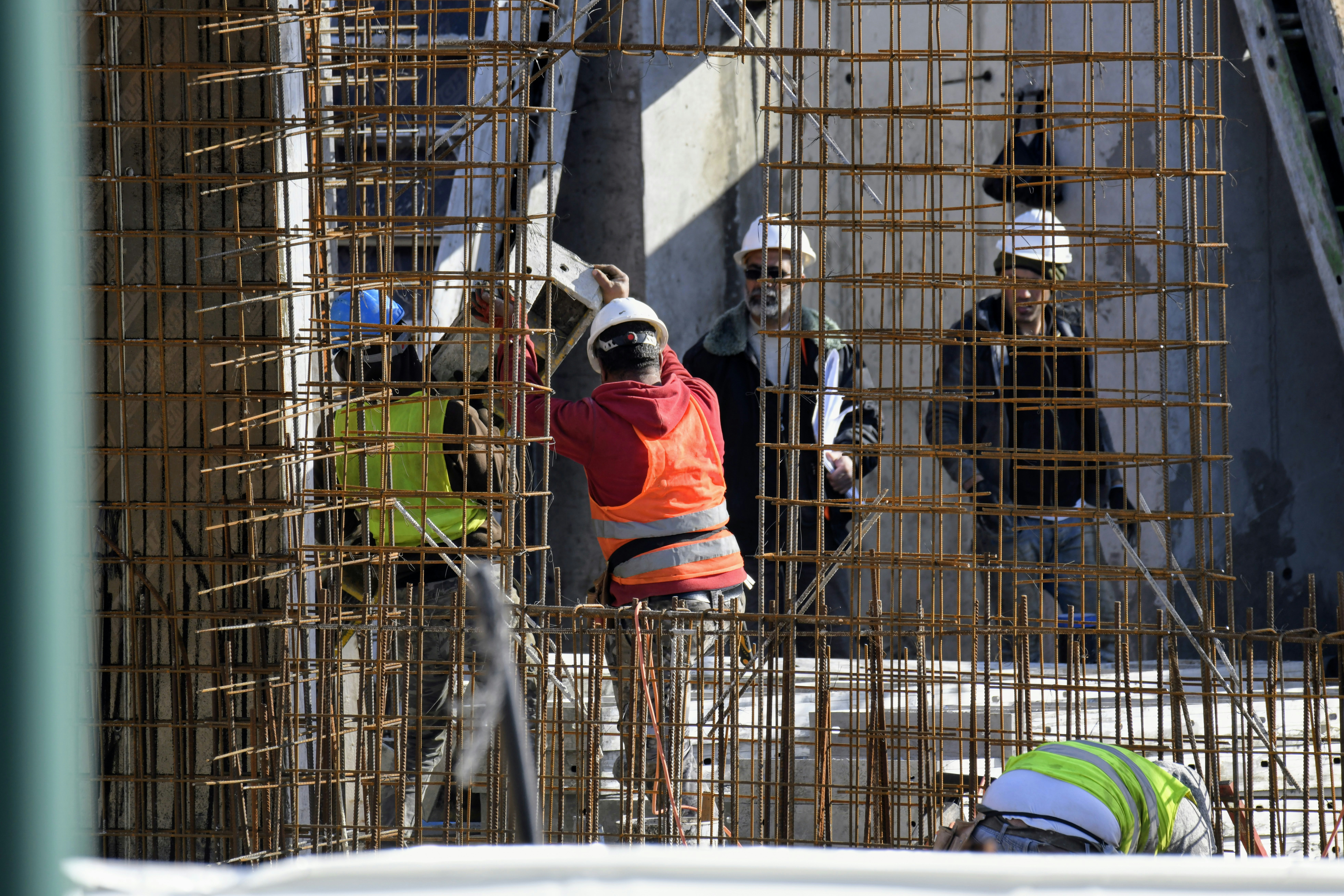
You buy once – you use many times. Why used scaffolding is an investment, not a compromise
Investing in used scaffolding is a decision that starts working for your company from day one. The equipment is available immediately, so you can get on the construction site faster and finish your orders faster.
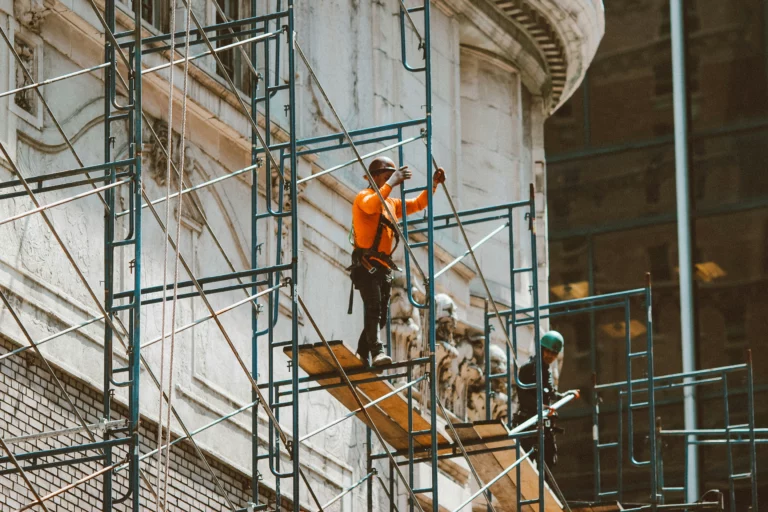
Used scaffolding and ESG reporting – how to document the environmental impact of investments
ESG (Environmental, Social, Governance) reporting is no longer a voluntary practice for large corporations – it is becoming an integral part of doing business in Europe. For companies in the construction sector that work with
Used scaffolding provides practical support for companies expanding their business in Europe
Construction, industrial, and assembly companies are increasingly carrying out projects in several countries simultaneously. This is the result of the growing integration of the European market and the greater mobility of contractors, who are increasingly
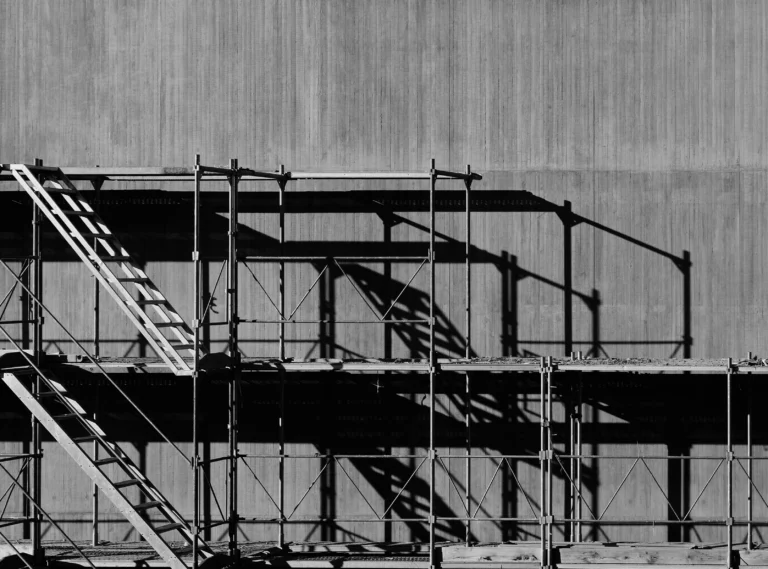
Used scaffolding for short-term projects – a chance for a faster return on investment
Not all investments last for years. Many construction and industrial projects are carried out in a short period of time – from a few weeks to a few months. In such situations, companies look for
Construction in the spirit of ESG. Why is used scaffolding a real contribution to sustainability?
The construction industry is increasingly aligning itself with ESG principles – a set of values that includes the environment, social responsibility and transparent management. More and more investors are explicitly requiring contractors to make their


